The Ivy League haircut is one of the few men’s hairstyles that has stayed relevant for almost a century. It started as a smart, no-fuss cut for college students at elite American universities, and in 2026 it is still one of the most requested styles in barbershops around the world. Part of its staying power comes from how adaptable it is. Short on the sides, longer on top, and easy to style in minutes, this cut works for the office, a wedding, or a weekend out.
In this guide, you will find 26 of the best Ivy League haircut variations for men, tips on choosing the right version for your hair type and face shape, a simple breakdown of how to ask your barber for it, styling steps, a maintenance routine, and answers to the most common questions men have before getting this cut.
Ivy League Haircut
The Ivy League haircut, sometimes called the Princeton cut or the Harvard clip, is a refined take on the classic crew cut. Instead of trimming the top very short like a standard crew cut, the Ivy League leaves one to two and a half inches of length on top while keeping the sides and back tapered or faded. That extra length on top gives you room to comb, part, or brush the hair to one side.
The name comes from its roots at Ivy League schools like Harvard, Princeton, and Yale, where the neat, polished look matched the preppy dress code of the era. Today, it is worn by professionals, students, athletes, and celebrities who want a hairstyle that looks intentional without requiring a long grooming routine.
What makes it different from a plain crew cut is the styling flexibility. A crew cut is meant to look the same every day with almost no product. The Ivy League, on the other hand, can be brushed forward for a textured look, swept to the side for a formal finish, or pushed up for a soft quiff, all from the same haircut.
Trending Ivy League Haircuts for Men
Barbers are seeing more requests for personalized Ivy League cuts this year, with clients mixing the classic base with modern details like skin fades, natural texture, and curly top styling. Below are the 26 most popular Ivy League variations men are wearing in 2026.
1. Crew Cut
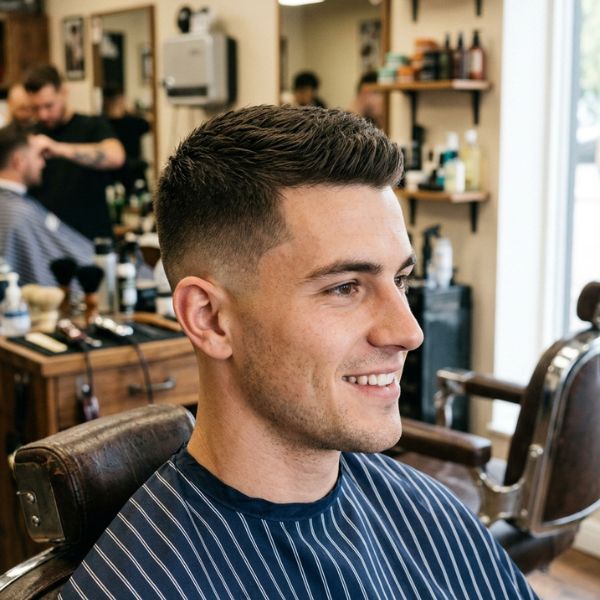
The crew cut version keeps the top shorter than a traditional Ivy League, usually under an inch, with tightly tapered sides. It is the closest relative to the original Ivy League style and remains a favorite for men who want minimal daily upkeep.
2. Low Maintenance Haircut

This variation uses natural texture instead of a hard part, so it looks neat straight out of the shower. A short taper on the sides keeps the shape clean while the top only needs a quick run of the fingers or a small amount of cream.
3. Classic Haircut

The classic Ivy League sticks to the original formula: tapered sides, a longer top of about one and a half to two inches, and a defined side part. It suits nearly every face shape and hair type, which is why it remains the most requested version.
Read more: 14 Trending Warrior Haircut Men
4. Short Haircut

For men who want the Ivy League look but prefer shorter hair overall, this version trims the top down while still leaving enough length to create a light side sweep. It is a practical choice for hot climates or active lifestyles.
5. Long Ivy

The long Ivy pushes the top length to two and a half inches or more, giving the hair more movement and room for a stronger quiff or brushed-back finish. It works best with straight to wavy hair that holds shape well.
6. Modern Ivy
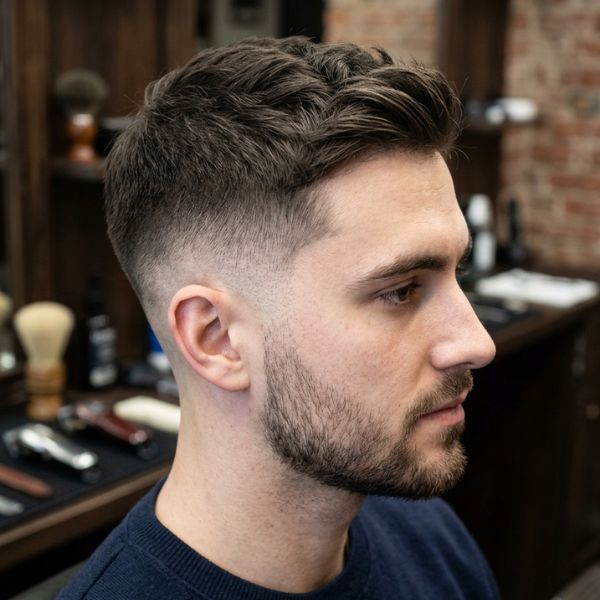
The modern Ivy combines a skin fade or high fade on the sides with a longer, textured top that is brushed forward and to the side. It has more contrast than the classic version, giving it a sharper, younger feel.
7. Side Part
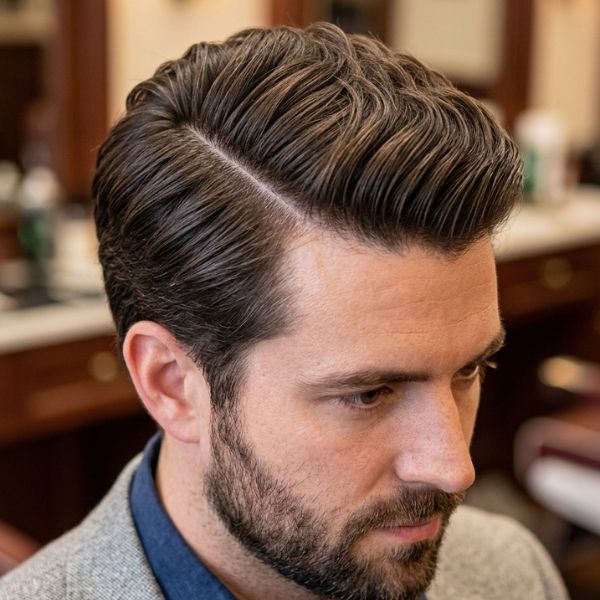
A defined side part is cut or combed directly into the top, creating a crisp line that separates the longer and shorter sections of hair. This version is especially popular for interviews, weddings, and formal events.
8. Textured

Instead of a smooth, combed finish, the textured Ivy League uses point-cut layers and a matte product to create separation and movement on top. It gives the cut a more casual, lived-in appearance.
9. Korean

The Korean-inspired Ivy League features a softer fringe that falls forward over the forehead rather than being swept fully to the side. The sides are usually kept slightly longer than a Western fade for a rounder silhouette.
10. Messy

The messy Ivy League skips the hard part and structured comb-over in favor of a tousled, undone look. Light sea salt spray or matte paste helps hold the texture without making it look overly styled.
11. Fade
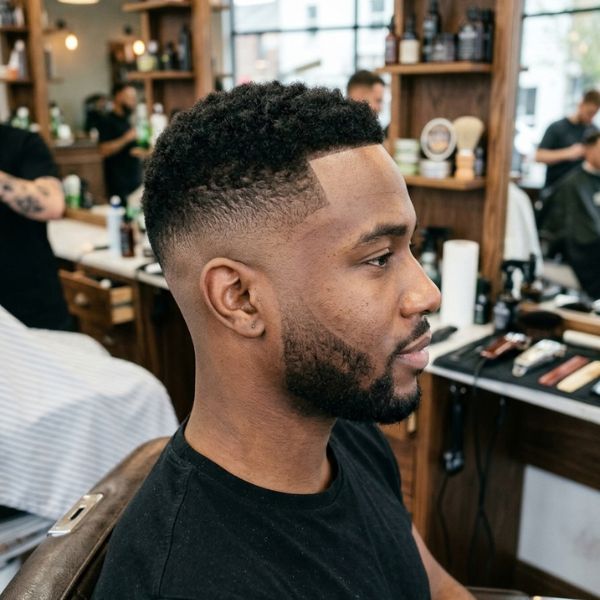
Pairing the Ivy League top with a low, mid, or high fade on the sides adds sharp contrast and makes the longer hair on top stand out even more. This is one of the most common combinations barbers cut today.
12. Asian

This version is tailored for thicker, straighter Asian hair textures, using point cutting to reduce bulk on top while keeping a soft fringe that can be styled forward or to the side.
13. Medium

The medium-length Ivy League sits between the short and long versions, usually around one and three-quarter inches on top. It offers a balance of styling versatility and low daily maintenance.
14. Buzz Cut

For men who want the shape of an Ivy League with almost no styling time, the buzzed version keeps the top very short, sometimes with a slight length difference between the top and sides to hint at the classic silhouette.
15. Preppy
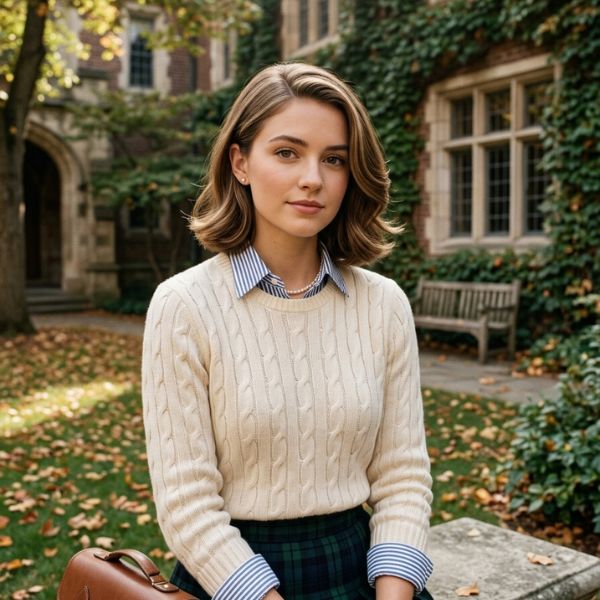
The preppy Ivy League leans into the style’s original roots with a neat side part, a clean fade, and a polished finish. It pairs well with collared shirts and blazers for a put-together, old-money aesthetic.
16. Curly
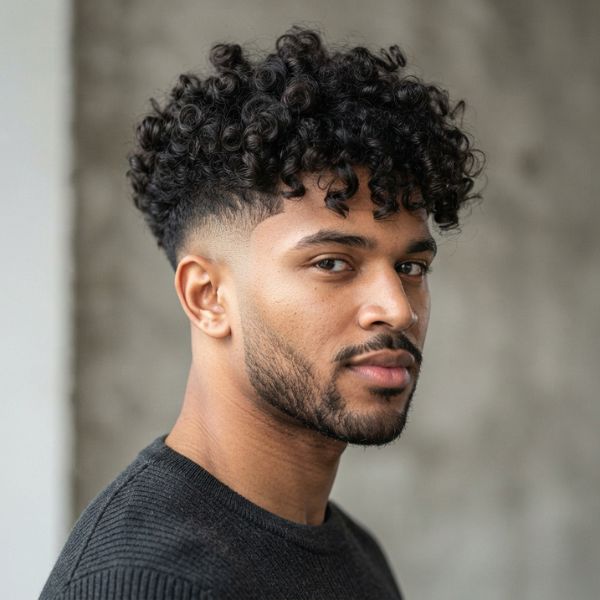
Curly hair adds natural volume and texture to the Ivy League shape. Barbers usually thin out the top slightly and keep the curls loose rather than forcing them into a hard side part.
17. Wavy
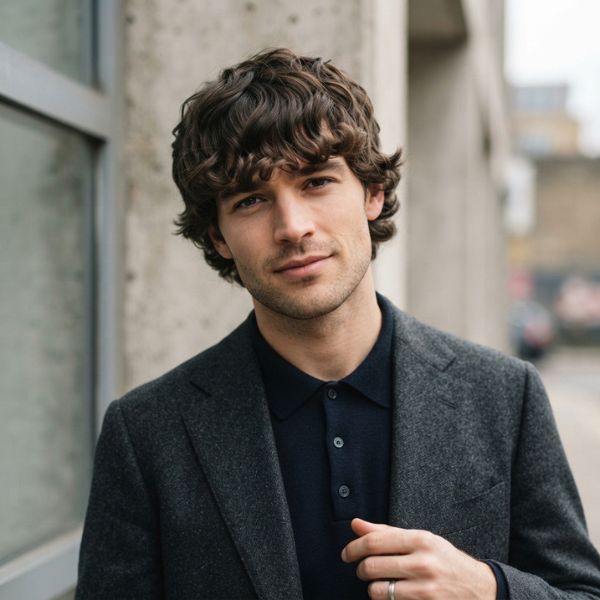
Wavy hair is one of the easiest textures to work with for this cut, since the natural movement creates a soft side sweep with minimal product. A light cream or sea salt spray enhances the wave pattern.
18. Ivy League with Beard

Pairing the cut with a well-groomed beard, whether it is a short stubble or a fuller shape, adds balance to the face and gives the overall look more maturity and definition.
19. Military

The military-inspired Ivy League keeps the sides very short and disciplined, similar to a high and tight, while the top stays slightly longer for a small amount of styling flexibility.
20. Taper
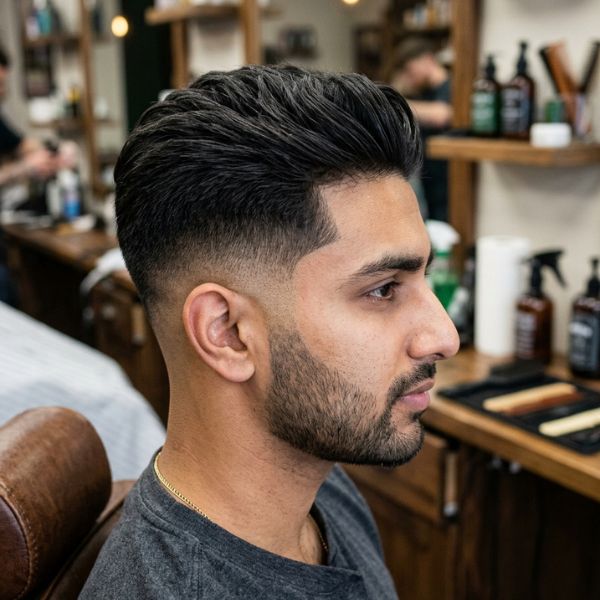
A taper fade version gradually shortens the hair from the top down to the skin or a short length at the neckline, creating a smoother transition than a hard fade line.
21. Undercut
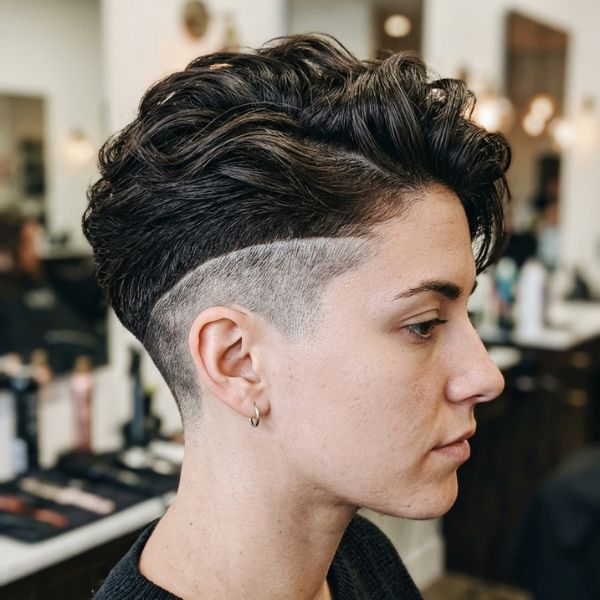
The undercut Ivy League uses a sharp, disconnected line between the longer top and the very short sides, giving the style a bolder, more modern edge than a traditional taper.
22. Side Swept

This version emphasizes a strong forward and sideways sweep across the entire top, often styled with a blow dryer and round brush for extra volume and hold.
23. Straight Hair

Straight hair gives the cleanest, sharpest lines for a classic Ivy League side part, since the hair naturally falls flat and holds a comb line well without much product.
24. Ivy League Quiff

Combining the Ivy League with quiff styling means brushing the front section straight up and slightly back, creating height at the front while keeping the sides tapered.
27. Blonde Ivy

A blonde or lightened top adds contrast against darker or faded sides, giving the classic shape a more fashion-forward, statement look. It works especially well with textured or messy styling.
28. Professional Ivy
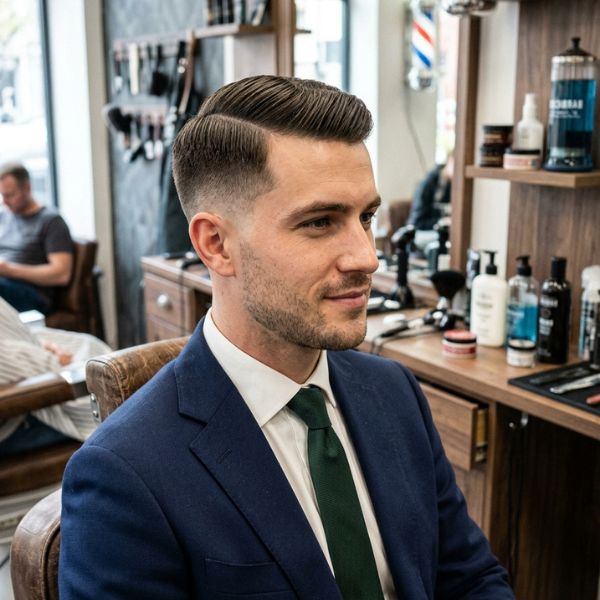
Designed with the workplace in mind, the professional Ivy League keeps the length conservative, the part crisp, and the finish polished with a light-hold product for an all-day, boardroom-ready look.
29. Ivy League Vs Crew Cut
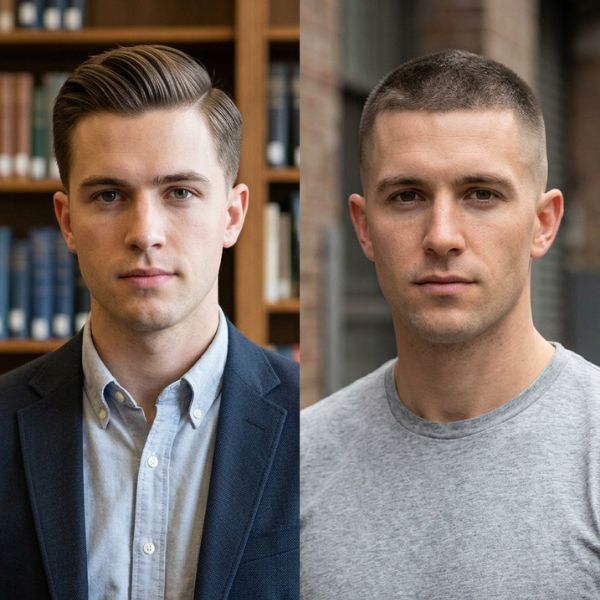
Both cuts share the same short, tapered sides, which often leads to confusion between the two. The real difference comes down to the length and purpose of the top.
- A crew cut typically keeps the top under an inch, with hair that stands up slightly and requires almost no styling.
- An Ivy League leaves the top between one and two and a half inches, long enough to comb, part, or sweep to the side.
- The crew cut is built for speed and simplicity, while the Ivy League offers more room to change your look day to day.
- Face shape suitability is similar for both, but the Ivy League tends to flatter round faces more effectively because the added height and length on top can visually elongate the face.
If you want a wash-and-go routine, the crew cut wins. If you want a cut that can look sharp for the office and relaxed on the weekend, the Ivy League is the better pick.
How to Choose the Right Ivy League Haircut
Not every version of the Ivy League will suit every man the same way. Hair type and face shape both play a role in how the finished cut looks and how easy it is to style at home.
Ivy By Hair Type
- Straight hair holds a defined side part and clean lines exceptionally well, making it ideal for the classic and side part variations.
- Wavy hair adds natural texture and works nicely with the textured or messy Ivy League, needing only a light styling product.
- Curly hair brings volume on its own, so ask your barber to thin the top slightly to avoid excess bulk while keeping the curl pattern intact.
- Thick hair benefits from internal layering to remove weight, which helps the top sit properly instead of looking heavy or boxy.
- Fine hair usually looks best with a shorter to medium top length, since longer hair can fall flat without a volumizing product.
Ivy By Face Shape
- Oval faces can wear almost any version of the Ivy League, since this shape is naturally balanced.
- Round faces benefit from extra height on top and shorter sides, which helps create the illusion of a longer face.
- Square faces look sharp with a classic or textured Ivy League, since the shorter sides highlight a strong jawline while the longer top softens the overall angles.
- Diamond faces do well with a bit of volume on the sides to balance out wider cheekbones.
- Long or rectangular faces should avoid excessive height on top and instead go for a lower-contrast taper to keep proportions even.
How Get an Ivy League Cut?
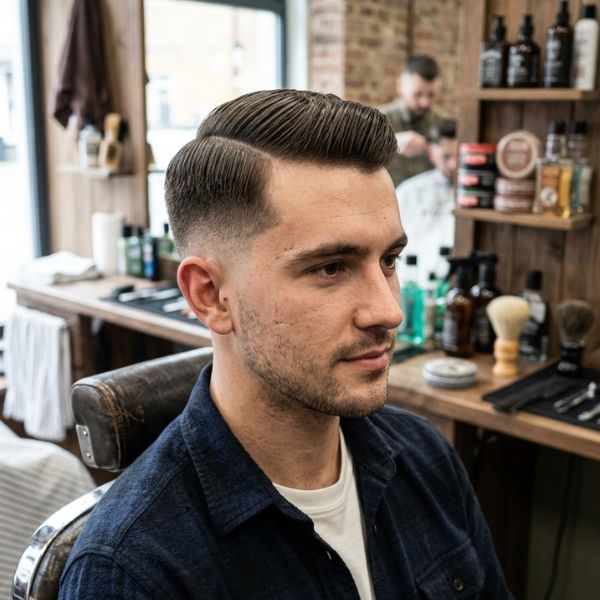
Communicating clearly with your barber is the single biggest factor in getting a good result. There are two reliable ways to explain exactly what you want.
Simple Words
Tell your barber you want an Ivy League haircut, then describe the details in plain terms: a taper or fade on the sides at your preferred length (low, mid, or high), roughly one and a half to two inches left on top, and whether you want a defined side part or a more natural, textured finish. Mentioning your face shape and how much styling time you’re willing to spend each morning also helps the barber tailor the cut to you.
Reference Photo
Words alone can be interpreted differently from barber to barber, so bringing a reference photo removes most of the guesswork. Choose a photo of someone with a similar hair type and, if possible, a similar face shape to yours, since the same haircut can look very different on different head shapes.
Read more: 41 Top Bursts Fade Haircuts in 2026
How to Style?
Styling an Ivy League haircut only takes a few minutes once you know the basic steps.
- Start with damp, towel-dried hair rather than fully wet or fully dry hair, since damp hair gives product the best grip.
- Apply a small, coin-sized amount of your chosen product (cream for a natural look, pomade for more shine and hold) and work it evenly through your fingers before applying it to the hair.
- Use a comb or your fingers to create your part, whether it is a hard side part, a soft sweep, or a natural fall.
- Blow-dry the top section in the direction you want it styled, using a round brush if you want extra volume or height.
- Finish with a light comb-through to smooth any flyaways and set the shape for the day.
Ivy League Haircut Maintain Guide
Because the Ivy League relies on contrast between the shorter sides and the longer top, regular upkeep is what keeps it looking sharp.
- Book a trim every three to four weeks to keep the taper or fade clean and prevent the top from getting too heavy.
- Wash your hair two to three times a week with a gentle shampoo to avoid stripping natural oils, which can make styling harder.
- Use a clarifying shampoo once every one to two weeks if you use styling products daily, since product buildup can weigh hair down.
- Trim the top length gradually rather than letting it grow out too far between cuts, as this keeps the silhouette consistent.
- Protect your hair from excess heat by keeping your blow dryer on a medium setting and using a heat protectant if you style daily.
Best Hair Products for Ivy League Hairstyles
The right products make the difference between a haircut that looks good for one day and one that looks good every day.
Read more: Top 55 Low Taper Designs For Men
1. Hair Styling Cream
A lightweight cream gives natural-looking hold and light shine without making the hair look stiff. It is the most versatile option for textured or messy Ivy League styles.
2. Pomade
Pomade offers stronger hold and a glossier finish, making it the go-to choice for the classic and professional Ivy League looks that need a defined side part to stay put all day.
3. Fine Tooth Comb
A fine tooth comb creates crisp, clean lines for a hard side part and helps distribute product evenly through the top section without leaving clumps.
4. Clarifying Shampoo
Regular styling products can build up on the scalp and hair over time, so a clarifying shampoo used weekly or biweekly keeps hair light and easy to style.
5. Hair Oil
A small amount of lightweight hair oil adds shine and tames frizz, especially useful for wavy or curly Ivy League variations that need extra smoothness.
6. Round Hair Brush
A round brush is essential for adding height and volume while blow-drying, particularly for the quiff and side-swept Ivy League styles.
FAQs
Is the Ivy League haircut still in style in 2026?
Yes, it remains one of the most popular men’s haircuts this year because it works for both formal and casual settings and suits nearly every hair type.
How long does an Ivy League haircut take to grow out?
Most men need a trim every three to four weeks to keep the shape sharp, since hair on top typically grows about half an inch per month.
Does the Ivy League haircut work with curly hair?
Yes, curly hair works well with this cut as long as the top is thinned slightly to control volume while keeping the natural curl pattern.
What is the difference between an Ivy League and a Princeton haircut?
They are essentially the same haircut. Princeton cut and Harvard clip are simply other names used for the Ivy League style.
Can I style an Ivy League haircut without heat tools?
Yes, a small amount of cream or pomade applied to damp hair and combed into shape is enough for a clean, everyday look without any heat styling.
Is the Ivy League haircut good for a receding hairline?
Yes, since the added length on top can be styled forward to help soften a receding hairline compared to very short cuts.

Reyansh is an experienced hair and beauty content writer with a passion for hairstyles, hair care, and the latest styling trends. With years of writing experience, Reyansh creates simple, practical, and engaging content to help readers discover better hair-care routines and fresh style inspiration.